


Table of contents [Show]
What Is Participatory Art?
Participatory art is art with people, not for people.
It is a creative process where community members actively take part in shaping, creating, and experiencing art together. The value doesn’t live in a polished final performance — it lives in the process: collaboration, expression, shared meaning, and presence.
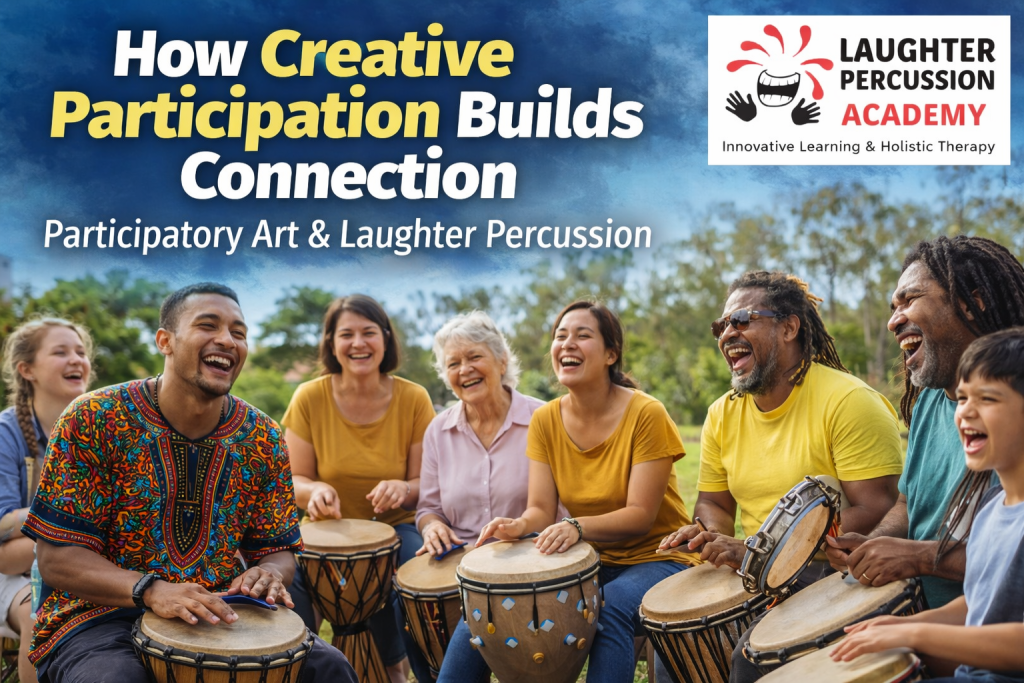
From drumming circles and storytelling sessions to murals, theatre, dance, and laughter-based practices, participatory art transforms everyday spaces — libraries, schools, nursing homes, parks — into places of belonging.
In an era marked by loneliness, mental health challenges, cultural fragmentation, and digital isolation, participatory art offers something rare and necessary: real connection.

Why Participatory Art Matters to Communities
Participatory art reduces isolation by bringing people together around a shared creative purpose. It dissolves barriers of age, language, ability, and background.
People stop being clients, patients, or newcomers — and become co-creators.
This is especially powerful in:
- regional and remote towns
- multicultural communities
- aged care and nursing homes
- disability and mental health programs
- youth and intergenerational spaces
Belonging doesn’t come from watching. It comes from doing — together.

2. Supporting Mental Health and Wellbeing
Participatory art works on the body and mind simultaneously.
Rhythm, movement, voice, breath, and laughter help regulate the nervous system, reduce stress, and lift mood. Participants commonly report:
- reduced anxiety and physical tension
- improved confidence and self-expression
- joy, emotional release, and playfulness
- renewed motivation and sense of purpose
Unlike clinical settings, participatory art feels safe, non-judgmental, and human.

3. Keeping Culture Alive
Participatory art is one of the strongest ways to preserve and share culture.
Through rhythm, dance, humour, language, and storytelling, knowledge is passed from elders to youth — and across communities. In Australia’s multicultural landscape, participatory art:
- strengthens cultural identity
- encourages respectful cultural exchange
- celebrates diversity without hierarchy
Culture stays alive when it is practised, not just observed.

Laughter Percussion: Participatory Art in Action
Laughter Percussion is a unique participatory art practice that combines:
- rhythmic drumming and body percussion
- guided laughter and breathwork
- call-and-response facilitation
- cultural rhythm traditions
- group interaction, play, and joy
What makes Laughter Percussion special is its radical accessibility.
No musical experience is required. Everyone already has the tools:
a body, a breath, and the ability to laugh.
It works beautifully in:
- nursing homes and aged care
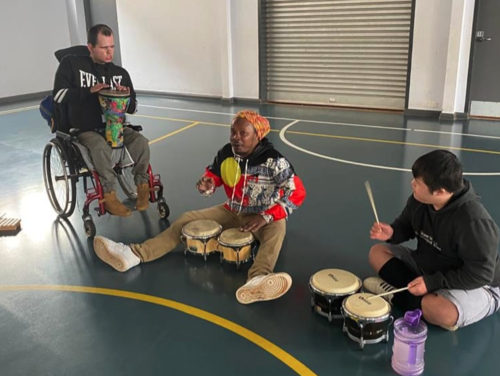
- NDIS community participation programs
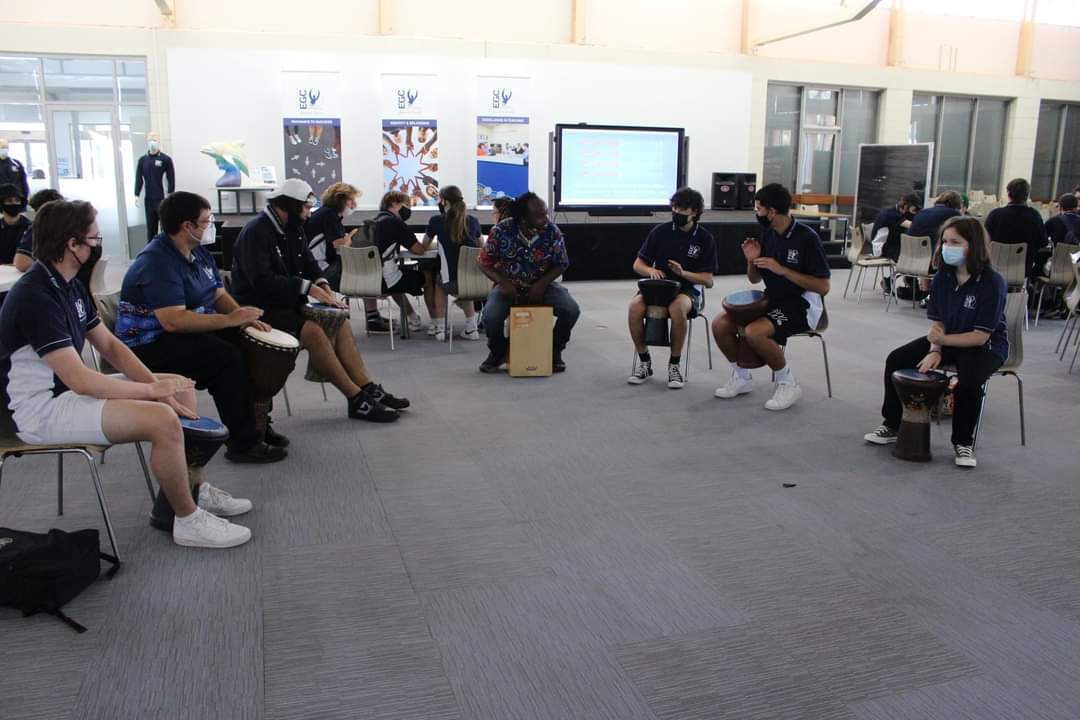
- schools and youth wellbeing sessions
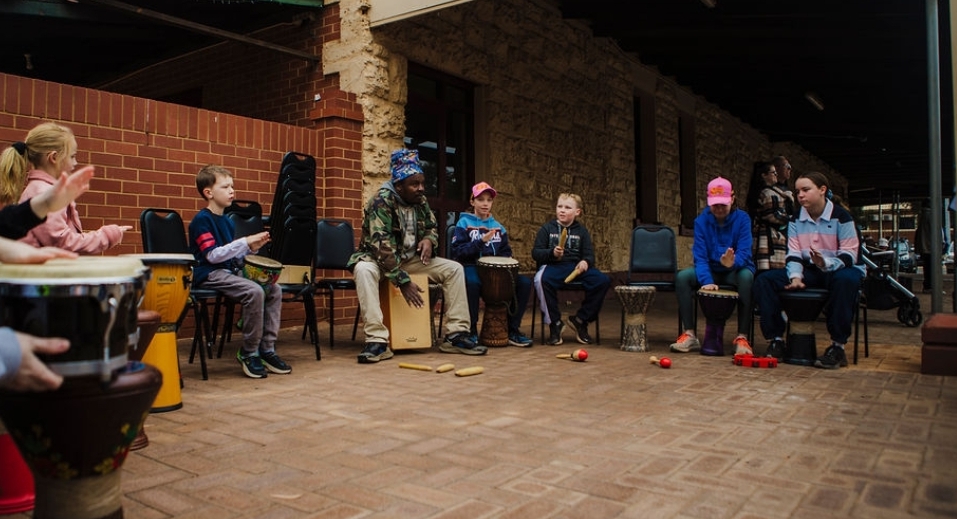
- festivals and public spaces
- trauma-informed and mental health settings
Within minutes, strangers become rhythm partners.
Why Participatory Art Struggles — and How to Fix It
Despite its impact, participatory art often struggles due to:
- short-term funding cycles
- facilitator burnout
- lack of promotion and visibility
- limited access and transport
- overemphasis on performance instead of participation
Keeping Participatory Art Alive Requires:
- Consistency — regular weekly or fortnightly sessions
- Access — inclusive, culturally safe, disability-friendly spaces
- Shared Leadership — training participants as facilitators
- Visibility — community media, social platforms, partnerships
- Celebration — valuing participation, not perfection
How to Grow Participation
Make the Invitation Clear
Most people hesitate because they’re unsure. Effective invitations say:
- No experience needed
- You can watch first
- All ages and abilities welcome
- Come as you are
Create Easy Entry Points
- beginner-friendly sessions
- bring-a-friend days
- pop-up workshops in public spaces
- partnerships with schools, councils, and services
Work With Community Partners
Participation grows faster when connected with:
- libraries and councils
- aged care providers
- NDIS organisations
- schools and youth centres
- multicultural associations

Participatory Art as Community Infrastructure
Participatory art is not a luxury.
It is community infrastructure — just like parks, libraries, and sports facilities.
Communities that invest in creative participation experience:
- stronger social cohesion
- better mental health outcomes
- safer public spaces
- higher community pride
- deeper cultural understanding
Laughter Percussion represents this future: low-cost, high-impact, culturally adaptable, and deeply human.

Pull Quote
“When people laugh and create together, they stop being strangers.
Participatory art turns communities into families.”
— Ras Banamungu
What You Can Try This Week
- Start a small rhythm or laughter circle
- Invite one new person to a creative session
- Partner with a local library or school
- Share a short video celebrating participation
- Focus on joy, not performance

Final Word
Participatory art keeps communities human.
It keeps culture breathing.
It keeps people connected.
And with practices like Laughter Percussion, participatory art is not only alive —
it is growing, healing, and leading the way forward.


0 Comments
Leave a Comment
No comments yet. Be the first to share your thoughts!